Insights
Leadership lessons from every Executive Checkpoint conversation, written by Tino Urbina.

The Best Security Answer May Begin With a Different Question
An inspection team faced a practical problem: a video system needed a timestamp, and the proposed technical path involved upgrading the system. George Simonds described another possibility during our conversation on Executive Checkpoint. Place a simple digital clock in the camera's view.

An Entrepreneur Needs People Who Can Challenge the Next Idea
Eric Mager and I began our conversation talking about sailing. Away from familiar infrastructure, plans have to meet weather, distance, and the limits of what you can control. It was a fitting introduction to a discussion about entrepreneurship, where confidence matters but reality still gets a vote.

Perseverance Worked Because José Hernández Changed His Preparation
Eleven rejections could have become the end of José Hernández's ambition to become an astronaut. Instead, they became part of the work that eventually led to his selection on his twelfth application. During our conversation on Executive Checkpoint, the most important part of that story was what he changed between attempts.

Protective Intelligence Begins Before the Visible Threat
A security team can be watching a building closely while missing the conversation developing around it online. Olivia Arnauts made that risk clear in our conversation on Executive Checkpoint. The information that helps us prepare may appear before anything unusual happens at the door.

Human Leadership Is Part of the Security Operation
Lee Oughton is often smiling. When we began our conversation on Executive Checkpoint, I mentioned the energy he brings into a room and the way people respond to it. His explanation went deeper than having a positive personality. He sees human connection as part of how he does the work.

Mexico Requires Local Intelligence Beyond the Headlines
A headline can draw attention to a security event without giving an executive enough information to make a business decision. That was the starting point for my special-edition conversation with political scientist and geopolitical strategist Ana Dibu on Executive Checkpoint.

AI Transformation Depends on Bringing the Workforce Along
A company can purchase AI capability faster than its people can learn to use it well. Brittany Galli returned to that challenge throughout our conversation on Executive Checkpoint. The technology matters, but leadership determines whether it becomes part of useful everyday work.

A Security Standard Matters When People Can Use It Together
A standard can be technically impressive and still fail to make a difference if people do not adopt it. Leo Levit brought that practical perspective to our conversation on Executive Checkpoint. We discussed interoperability, collaboration among competitors, and the leadership required to turn shared specifications into useful capabilities.

The Leadership Test That Does Not Fit in a Manual
Calling yourself a servant leader or a transformational leader is easy. Explaining what that means when a difficult decision affects real people takes more work. Michael Gips and I explored that gap in our conversation about his book, It's Not in the Manual, on Executive Checkpoint.

AI Changes What Security Leaders Can Afford to Trust
We trust credentials, identities, devices, video, and audio every day in security. Kasia Hanson asked an important question in our conversation on Executive Checkpoint: what happens when the technology we are adopting also makes those familiar sources of trust easier to manipulate?

Leadership Starts Before You Reach the Top of the Pyramid
A leadership title can give someone responsibility. It does not tell them how to bring people along. Christopher Stitt and I explored that difference on Executive Checkpoint, including what happens when a good idea has to move across an organization before it can become useful.

What São Paulo Revealed About the Future of Access Control
The most useful conversations in São Paulo were about what our industry needs to do next. At the Access Control Collective event at Google Brazil, I spoke with people working across manufacturing, integration, digital credentials, and hospitality. Each brought a different perspective, but several concerns kept returning.

The Product Started With a Problem the Frontline Could See
Don Carr's conversation on Executive Checkpoint moved well beyond the broad subject of disruption. He described a specific problem in security operations: people encounter repeat incidents, but the information needed to recognize the pattern is not always available to the next person who needs it.

Access Control Can Do More Than Decide Who Gets Through a Door
When we talk about access control, we often begin with a credential and a decision: allow or deny. Lee Odess challenged that narrow starting point during our conversation on Executive Checkpoint. His question was what becomes possible when the industry thinks more seriously about the experience around access.

Security Convergence Has to Produce an Operational Result
For the first anniversary of Executive Checkpoint, I invited Pierre Bourgeix back to the conversation. Pierre has been a friend, mentor, and supporter of the show, and I wanted this milestone to do what the podcast was created to do: make us think more carefully about the work behind security.

Security Progress Depends on the People We Bring Along
At ASIS LATAM, I had two conversations that approached the future of security from different directions and arrived at a shared responsibility. Brittany Galli discussed AI adoption and governance. Lee Oughton discussed trust, kindness, and the conditions people need to grow.

Security Teams Need Bridges That Let Them Work Together
Bringing people into the same department does not automatically make them work together. Bruce McIndoe made that distinction clear in our conversation on Executive Checkpoint. His emphasis was on bridging professional silos so different specialists can contribute to the same outcome without losing what makes their expertise valuable.

The Best AI Starting Point Is a Problem Your Team Already Understands
A convincing demonstration can make an AI project look finished. Don Morrow reminded me that the real work often starts when that demonstration meets a live business. Customers, systems, and everyday exceptions introduce conditions that a controlled demo never had to handle.

Leadership Gets Clearer When You Understand Your Own Advantage
Being good at something and being able to explain why it matters are different skills. My conversation with Christa Haberstock on Executive Checkpoint brought those two challenges together. We talked about recognizing strengths, communicating with an audience, and keeping a human voice in a world full of generated content.

Innovation Depends on How You Build the Organization
A company can describe itself as innovative and still make innovation almost impossible. When every decision travels through layers of approval, the problem reaches well beyond the product roadmap. That was one of the strongest ideas I took from my conversation with Martin Gross on Executive Checkpoint.

The Security Risk Hidden Inside the Way We Sell Protection
A business can understand that cybersecurity matters and still leave itself exposed. That uncomfortable gap between recognizing a risk and paying to address it was at the center of my conversation with Johnson Tran on Episode 21 of Executive Checkpoint.
The Best Interview I've Done — And the Concept That Changed How I Think About Security Leadership
After 20 episodes and conversations with some of the sharpest minds in security, I can say this without hesitation: Episode 20 with Dr. Gav Schneider is the best interview of the entire season.
When the Building Becomes the Security System: A Conversation with Michael Niola
A few weeks after recording this episode, Michael Niola and I found ourselves in São Paulo, Brazil together at a Google event. That kind of thing — taking a professional relationship off the podcast and into the field — does not happen with every guest. It says something about the quality of the conversation we had, and about Michael specifically.
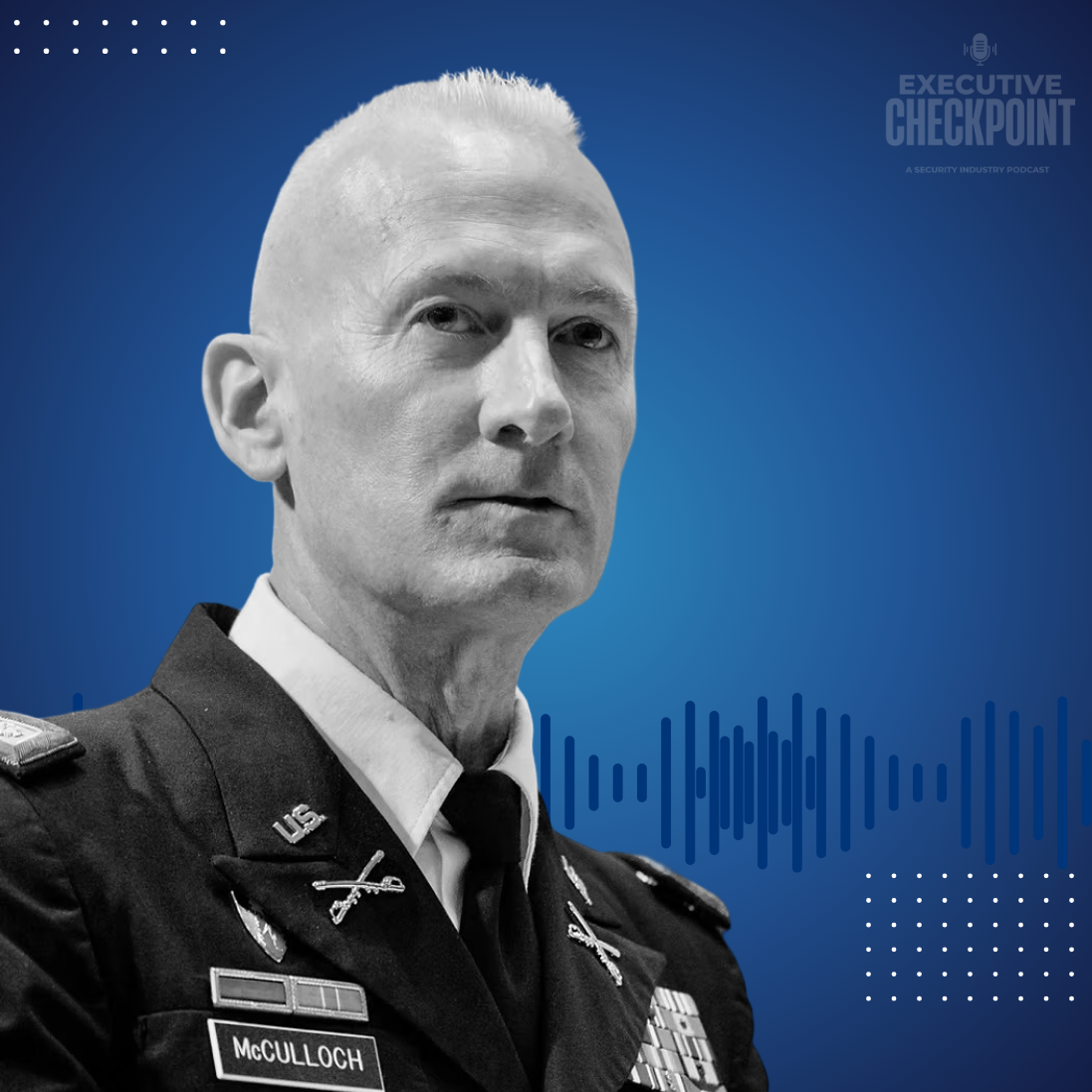
Some Conversations Change You. This Was One of Them.
There are guests you interview and guests who teach you something. Oakland McCulloch did both — and I left our conversation genuinely committed to showing up differently as a leader. That does not happen often.

She Is My Favorite Guest on Executive Checkpoint — and After Reading This, You Will Understand Why
I have interviewed executives, technologists, and security leaders across three continents since launching Executive Checkpoint. I have had conversations that challenged me, some that surprised me, and a few I still think about weeks after we stopped recording. Episode 17, with Maxie Reynolds — CEO of Subsea Cloud and former ethical hacker — belongs in a category of its own. She is, without qualification, my favorite guest on this entire podcast.
Why the Most Connected Man in Global Security Started by Walking a Beat
There are people you meet in this industry who impress you with their title. And then there are people who impress you with how they make everyone in the room feel like the most important person in it. Chuck Andrews is the second kind.

What 14 Conversations With the Best Minds in Security Taught Me
I did not expect to learn this much by hosting a podcast.
When the Uniform Comes Off, the Character Stays: What Robin Malachi's Story Tells Us About Security Leadership
There is a pipeline into the security industry that nobody talks about enough — and almost everyone in it already knows. Walk into any security operations center, any corporate security department, any critical infrastructure protection team, and you will find a significant number of people who wore a uniform before they wore a badge. Military veterans. Law enforcement officers. People who learned accountability before they learned to write a performance review.
When Jon Polly Talks About the Future of Security, You Stop and Listen
There are people in this industry whose names carry weight before they ever say a word. Jon Polly is one of them. Over more than two decades, he has built a reputation as one of the sharpest operational thinkers in security technology — not through hype, but through the kind of consistent, rigorous work that earns real respect. Getting him on Episode 13 of Executive Checkpoint was something I had wanted for a while. It felt like a milestone.
The Person Who Made This Podcast Happen — And What She Taught Me About Storytelling in Security
Before I talk about Episode 12, I need to say something that is long overdue.
The Leader Who Changed How I Think About Leading
There are people you meet in your career who leave a permanent mark — not because of a single conversation, but because of a framework they gave you that you never put down.
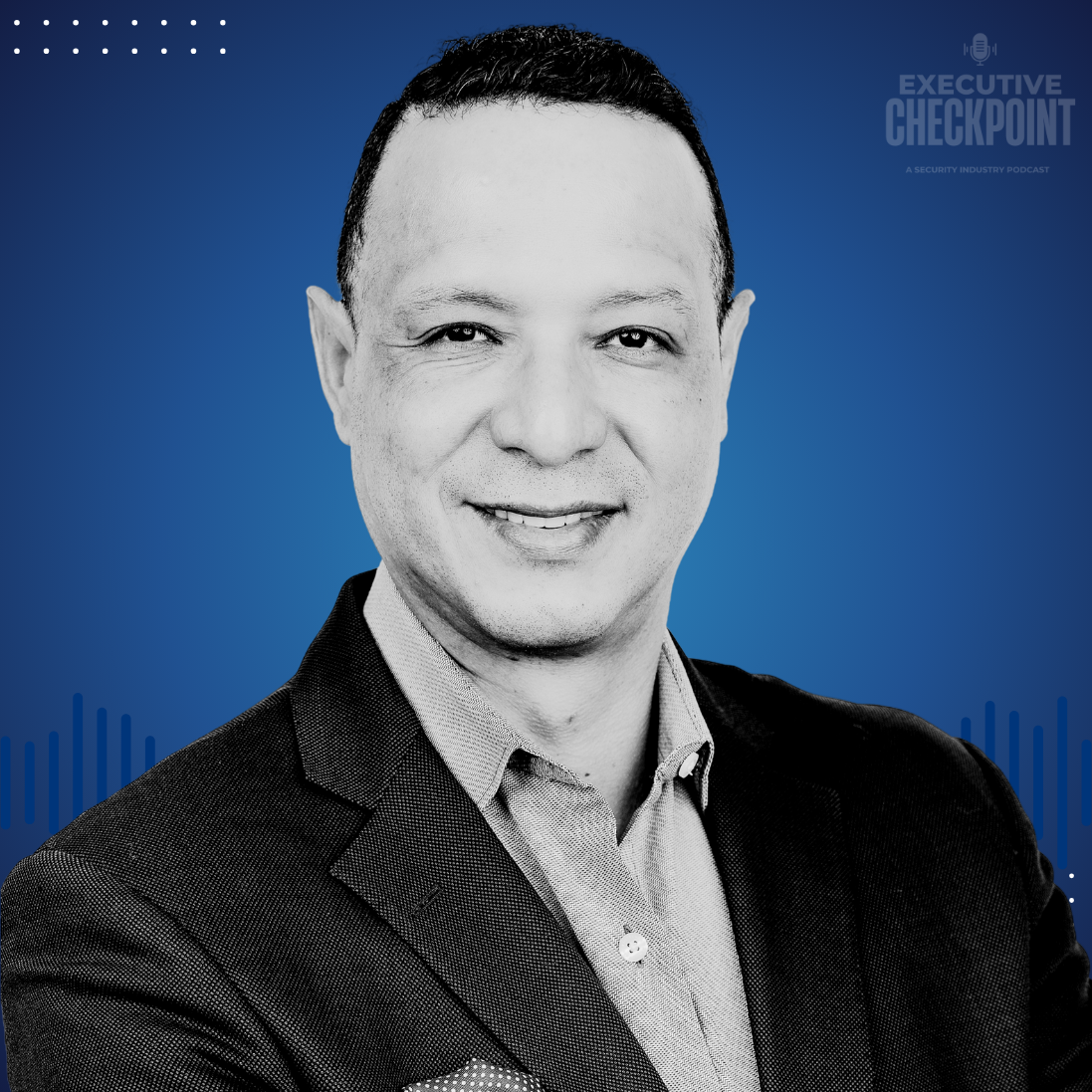
The Security Industry Has a Knowledge Problem. This Is What I'm Doing About It.
There is incredible knowledge and human experience inside this industry that is simply not being shared. Leaders who have earned hard-won insight sit on it — not always out of selfishness, but because our culture has never built real infrastructure for generosity. Executive Checkpoint exists to change that.
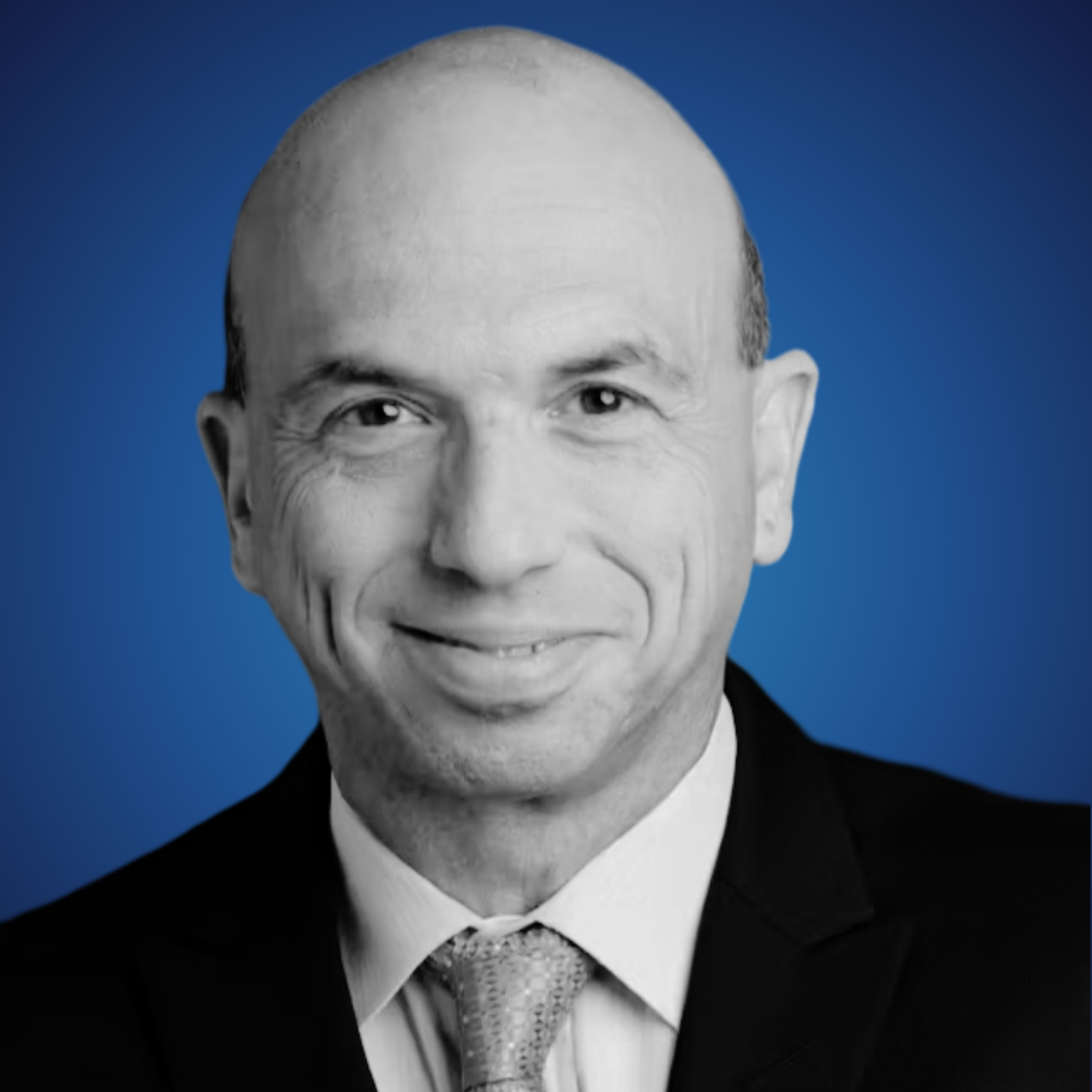
When Harvard Law Meets the Security Boardroom: A Conversation with Michael Gips
There are people who show up for you early — before the numbers justify it, before the audience is there, before anyone outside your immediate circle knows your name. Michael Gips was one of those people for Executive Checkpoint.

When the Person Protecting the Network Has Also Protected the Nation
There are people you meet professionally and people you actually know. Michael Daigle is in the second category.
When the Researcher Becomes the Builder: A Conversation with Dr. Daniël Reichman of Ai-RGUS
Most people I talk to on Executive Checkpoint come from one world — either they built companies, or they spent their careers in research and policy. Daniël Reichman is one of the rare people who crossed over, and actually made it work.
The Consultant Who Actually Builds the Thing: A Conversation with Ben Butchko
There is a crawfish boil that happens every year, hosted by a mutual friend named Jason Catchings. Ben Butchko and I both end up there every time, usually elbow-deep in the same work — setting things up, keeping them running, making sure the afternoon goes the way it is supposed to. That dynamic is a pretty fair description of how Ben approaches his entire career.
When a Colleague Sits Across from You: Cloud, AI, and What Tom Reilly Taught Me About Leading Through Change
There is a particular kind of conversation that only happens when you already trust the person across from you. No warm-up, no elevator pitch version of yourself. Just thinking out loud, following ideas wherever they lead — and occasionally drifting into a passionate detour about a book one of you recently finished.
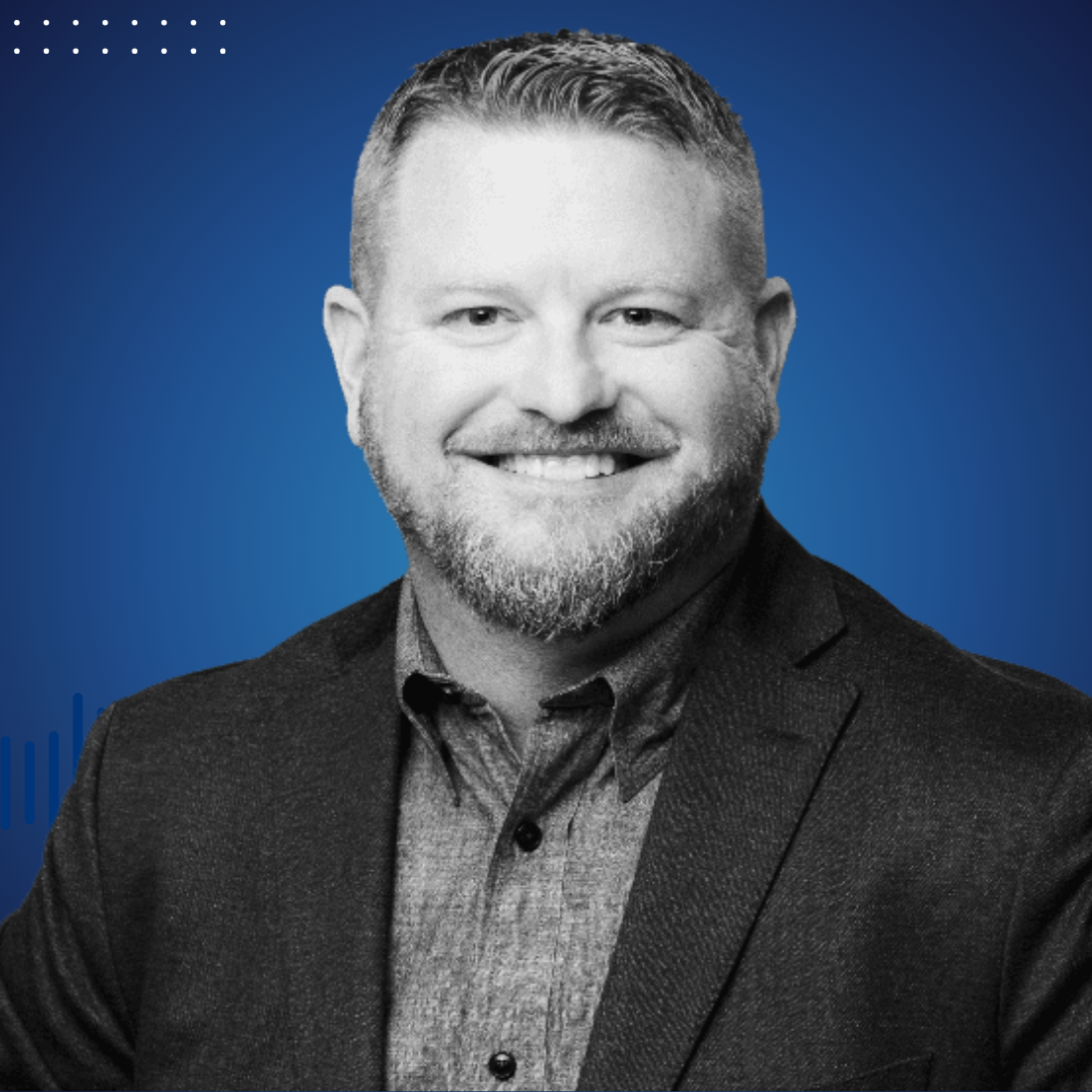
The Door Is Still the Weakest Link — and Eric Mager Is Doing Something About It
Most security conversations I have with executives circle back to the same priorities: cyber threats, data breaches, identity management. Rarely does anyone pause to talk about the physical entry point — the door, the gate, the turnstile — where a determined person can walk straight into a facility before a single digital control is ever tested.
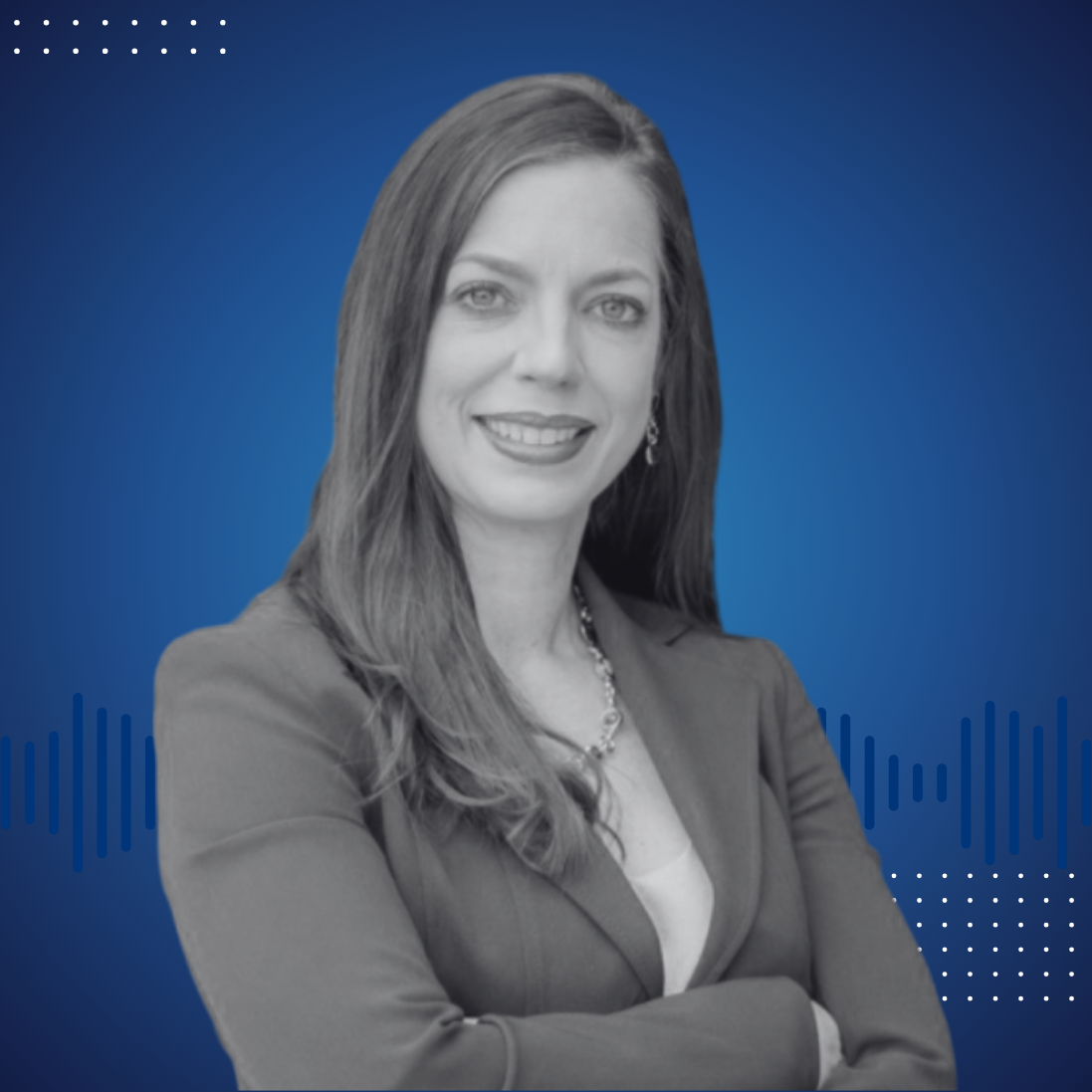
The Leaders Who Build Before the Storm: A Conversation with Melissa Mack
There are security leaders who manage crises. And then there are the ones who engineer organizations so the crisis never becomes catastrophic. Melissa Mack is firmly in the second category — and that distinction matters more than most executive teams realize.
Culture Is Not a Soft Concept — A Conversation with Gerry Mecca on What IT Leadership Actually Requires
Most technology transformations fail before a single line of code is written. The problem is almost never the technology.
Why I Started Executive Checkpoint — And What Pierre Bourgeix Said That Stopped Me Cold
The security industry has a conversation problem.